Pure Protein is the budget king of protein bars. With over 74,000 monthly searches and a price tag that undercuts almost every competitor, these bars have been a Walmart and Amazon staple for years.
But cheap doesn't always mean good. Let's break down whether Pure Protein bars actually deliver on nutrition — or if you're getting what you pay for.
Here's what you're getting per bar (50g):
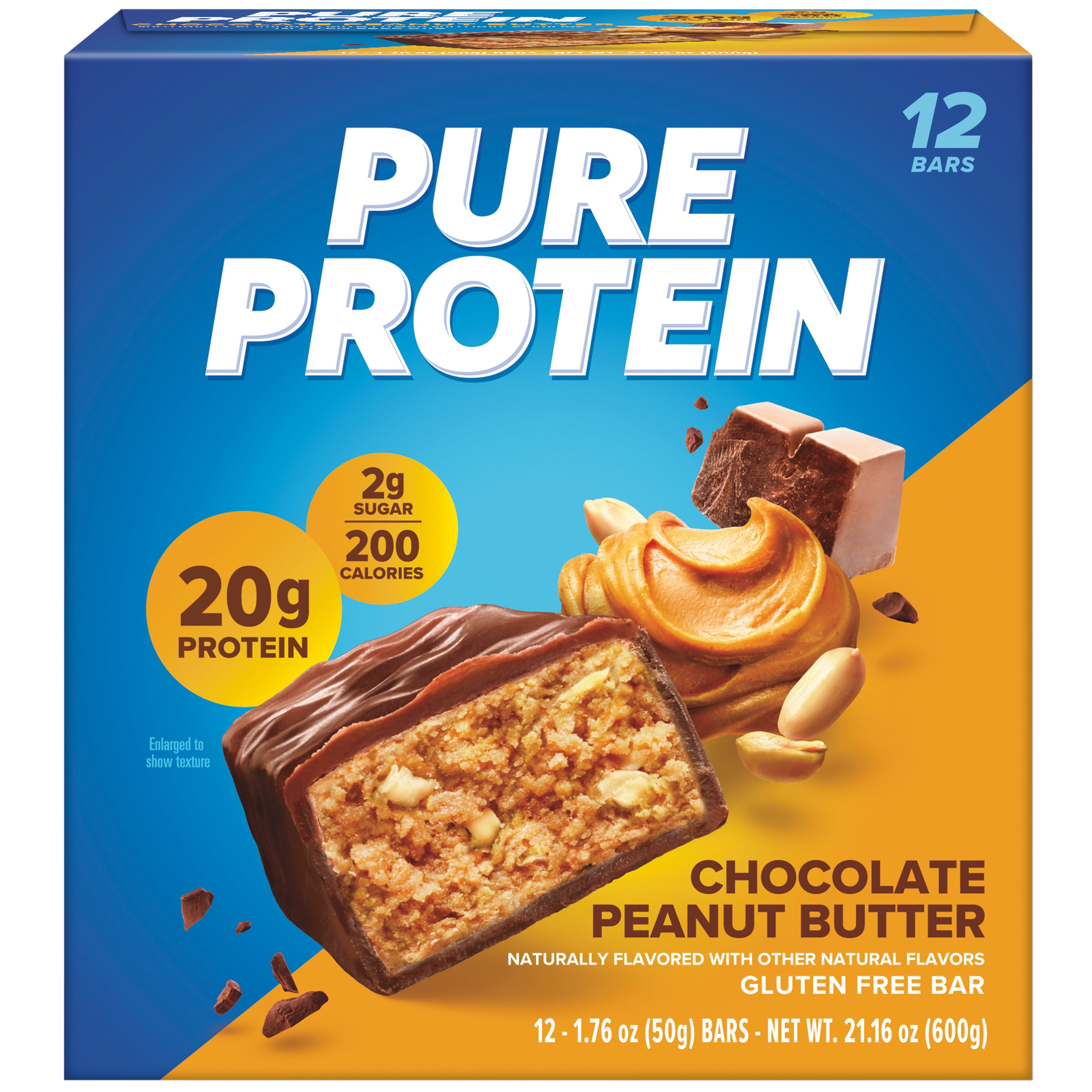
The macros are surprisingly competitive. 20g of protein for 200 calories with only 2–3g of sugar puts Pure Protein right alongside Barebells and Quest on paper. Where it falls short is fiber — only 2–3g compared to Quest's 12–14g.
Pure Protein uses a blend of whey protein isolate, milk protein isolate, and calcium caseinate. This multi-source blend provides both fast-absorbing (whey) and slow-absorbing (casein) proteins, which is actually smart for sustained amino acid delivery.
However, some flavors also contain soy protein isolate to hit the 20g target. Soy is the cheapest protein source available, and its inclusion is a cost-cutting move. It's not harmful, but it's not premium either.
Here's what's in a Pure Protein Chocolate Deluxe bar:
This ingredient list tells you everything about Pure Protein's strategy: hit the macros as cheaply as possible.
Hydrolyzed Collagen — Same trick as Barebells. Collagen pads the protein count but doesn't provide the same muscle-building amino acid profile as whey. A portion of that "20g protein" is coming from a cheaper, less effective source.
Maltitol — A sugar alcohol that's known for causing digestive distress (bloating, gas) in many people. It also has a higher glycemic impact than other sugar alcohols like erythritol.
Sucralose + Acesulfame-K — Double artificial sweeteners. If you're trying to avoid artificial ingredients, Pure Protein is not for you.
Palm Kernel Oil — The cheapest coating fat. Functional but not ideal.
For cleaner alternatives at a similar price point, check our cleanest protein bars list.
Pure Protein offers a solid range:
Decent variety. The Galactic Brownie collaboration with Little Debbie shows they're trying to compete on flavor innovation, even at the budget price point.
Pure Protein bars have a soft, slightly waxy texture with a chocolate coating. They're not unpleasant, but they taste like what they are — a budget protein bar. The chocolate coating is thin and doesn't have the richness of Barebells or Built Bar.
The Chocolate Deluxe and Chocolate Peanut Butter flavors are the best of the bunch. Birthday Cake and Lemon Cake can taste somewhat artificial. Overall, taste is "fine" — you won't hate it, but you won't crave it either.
One common complaint: maltitol can leave a mild laxative effect if you eat more than one bar. This is a real issue that many reviewers report.
Pure Protein bars retail for $10.99 for a 12-pack at Walmart ($0.92/bar) — making them the cheapest protein bar we've reviewed. Amazon pricing is similar at around $15.99 for a 12-pack ($1.33/bar). You can consistently find them for under $1.50/bar.
If your only criteria is "20g protein for the cheapest price," Pure Protein wins. But the hidden costs — digestive discomfort from maltitol, lower-quality protein from collagen, and multiple artificial sweeteners — mean you're making trade-offs.
They're not ideal for clean-eating shoppers, anyone sensitive to sugar alcohols, people avoiding artificial sweeteners, or those who want fiber and functional nutrition from their bar.
Pure Protein and LyfeFuel's Essential Nutrition Bar are polar opposites. Pure Protein is built to hit macros at the lowest cost — collagen filler, maltitol, artificial sweeteners, palm kernel oil. LyfeFuel is built for complete nutrition — plant-based protein, 28+ superfoods, 21 vitamins and minerals, and zero artificial anything. LyfeFuel costs roughly 2x more per bar, but the nutritional gap is much wider than 2x.
Pure Protein does one thing well: delivers 20g of protein for under $1.50. If that's all you need, mission accomplished. But the ingredient list reads like a "what not to eat" guide — collagen filler, maltitol, double artificial sweeteners, and palm kernel oil. The bar is a product of cost optimization, not nutrition optimization. It works for tight budgets, but anyone willing to spend an extra dollar per bar can do significantly better.
Pure Protein Bars contain 20g of protein per bar and approximately 200 calories. They can be a convenient protein source, but check the ingredient list for added sugars and artificial sweeteners. As with any protein bar, they work best as a supplement to whole foods rather than a dietary staple.
Pure Protein Bars are available at major retailers including Amazon, Walmart, and Target. Many grocery stores and supplement shops also carry them. Buying in bulk online often offers the best per-bar price.
Pure Protein Bars typically contain around 20g of protein per bar, though this can vary by flavor. Check the nutrition label for the exact amount in your preferred variety.
Pure Protein Bars contain approximately 3g of sugar per bar. Some flavors may use sugar alcohols or artificial sweeteners to keep sugar content low while maintaining sweetness.


Unearth the cleanest protein bars you can buy right now. (Some might even have superfoods)
Read MoreAt Protein Bar, we’re committed to helping you look and feel your best, which starts by raising the bar (pun intended) in the nutrition industry. We're currently in stealth mode, but you can join our waiting list to receive exclusive access to new products and become a beta tester!


